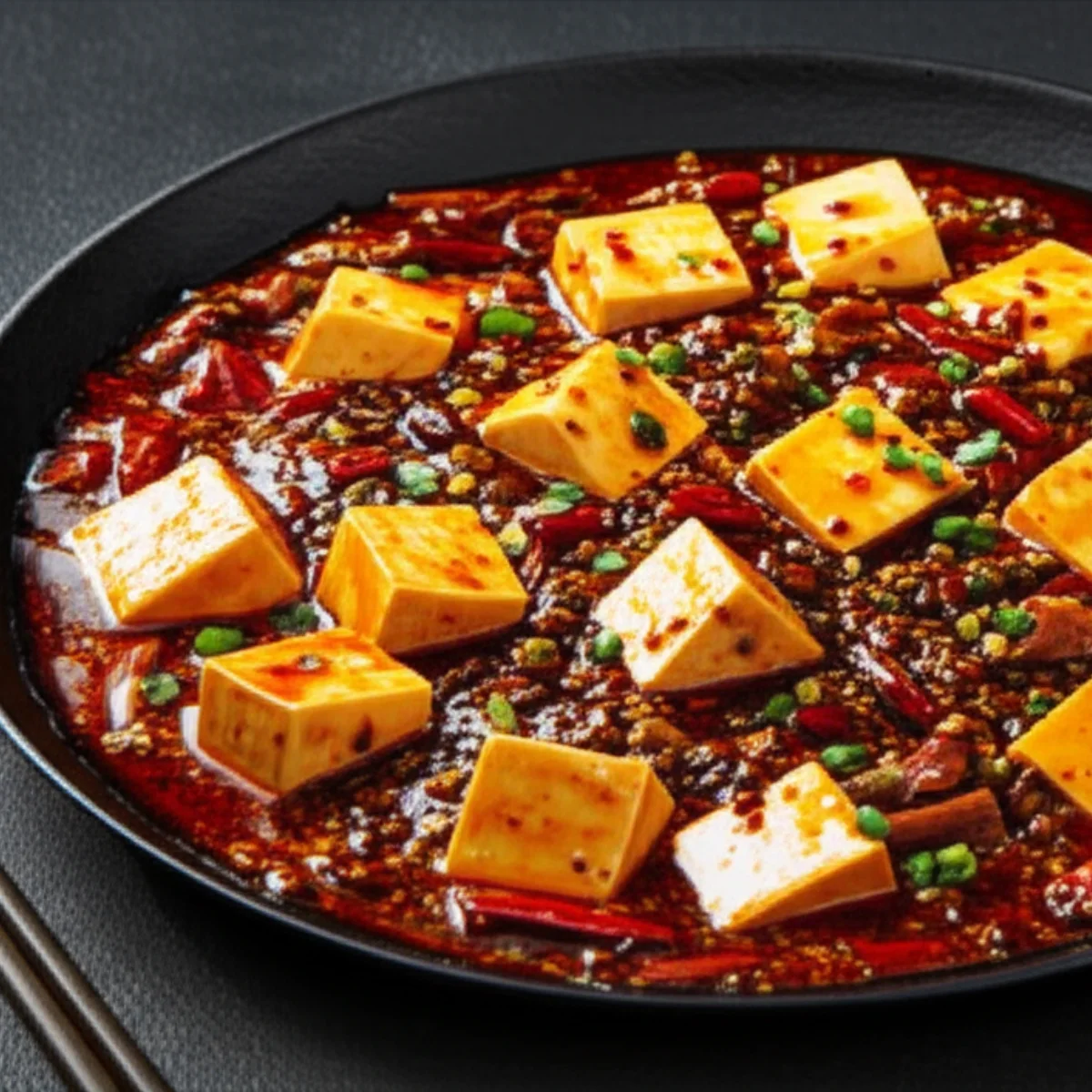
If you’re looking to bring the fiery, numbing, and deeply savory flavors of Sichuan cuisine into your kitchen, Authentic Mapo Tofu is the perfect recipe to try. This iconic Chinese dish is bold, comforting, and surprisingly easy to prepare once you’ve gathered the key ingredients. With tender cubes of tofu bathed in a spicy, aromatic sauce and topped with savory ground pork, it’s the kind of dish that instantly elevates your dinner table. Whether you’re a seasoned home cook eager to experiment with Sichuan flavors, or someone who loves takeout and wants to replicate it at home, this recipe is for you.
Why You’ll Love This Mapo Tofu Recipe
Mapo Tofu is a dish that combines several layers of flavor: the umami of fermented black beans, the spiciness of doubanjiang (spicy bean paste), the richness of ground pork, and the subtle creaminess of tofu. The best part? It’s versatile.
-
Great for spice lovers: With optional dried chilies and Sichuan peppercorns, you can adjust the heat and numbing sensation to your taste.
-
Weeknight friendly: Once your ingredients are ready, this dish comes together in under 30 minutes.
-
Restaurant quality at home: Instead of ordering takeout, you can enjoy an authentic version that’s fresh and customizable.
-
Crowd-pleaser: Perfect for family dinners or serving guests who appreciate bold, exciting flavors.
Ingredients You’ll Need
Here’s everything required to make a truly authentic Mapo Tofu. These ingredients are easy to find at most Asian grocery stores, and many can be ordered online.
-
2 tablespoons Cooking Oil
-
1 package Soft or Medium Tofu, cut into ½-inch cubes
-
1 lb Ground Pork
-
3 cloves Garlic, minced
-
2 stalks Green Onions, divided into whites and greens
-
1 stalk Green Onion, for garnish
-
2 tablespoons Doubanjiang (spicy bean paste)
-
1 tablespoon Fermented Black Beans
-
1.5 tablespoons Oyster Sauce
-
1.5 tablespoons Soy Sauce
-
1 tablespoon Cooking Wine
-
1 tablespoon Sesame Oil
-
½ tablespoon Chicken Powder
-
Pinch of White Pepper
-
1.5 cups Chicken Broth or Water
-
1 tablespoon Cornstarch mixed with 2 tablespoons Water (slurry)
-
2–4 Dried Chilies, cut into thirds (optional)
-
½ teaspoon Sichuan Peppercorns, ground (optional)
Kitchen Equipment Needed
To make this dish, you don’t need a fully stocked professional kitchen—just a few basics:
-
Wok or large skillet (a wok is ideal for even heating and stir-frying)
-
Wooden or silicone spatula for stir-frying
-
Sharp knife for chopping vegetables and tofu
-
Cutting board
-
Measuring spoons and cups
-
Small bowl for cornstarch slurry
-
Serving bowl for presentation
Step-by-Step Directions
Follow these easy steps for a foolproof Mapo Tofu experience:
-
Cook the Pork: Heat oil in a wok or large skillet over medium heat. Add the ground pork and cook until browned.
-
Add Aromatics: Stir in minced garlic and the white parts of the green onions. Sauté until fragrant.
-
Incorporate Flavor Bases: Add doubanjiang and fermented black beans. Stir-fry for 1–2 minutes to release their rich, complex flavors.
-
Season the Sauce: Mix in oyster sauce, soy sauce, cooking wine, sesame oil, chicken powder, and a pinch of white pepper. Stir well to combine.
-
Simmer: Pour in the chicken broth or water. Bring to a gentle simmer.
-
Add Tofu: Gently slide the cubed tofu into the sauce. Let simmer for 5–7 minutes so the tofu absorbs all those wonderful flavors.
-
Spice It Up: Add dried chilies and ground Sichuan peppercorns (if using) for that authentic spicy-numbing kick.
-
Thicken the Sauce: Stir in the cornstarch slurry and cook for another 1–2 minutes until the sauce thickens slightly.
-
Garnish: Sprinkle with the green parts of the green onions and add an extra stalk of sliced green onion for garnish.
-
Serve Hot: Pair with a bowl of steamed white rice and enjoy!
Notes and Tips for Success
-
Tofu Choice: Soft or medium tofu works best. Silken tofu can be used, but it’s very delicate and may break apart easily.
-
Protein Alternatives: If you don’t eat pork, ground chicken, beef, or turkey all work well. For a vegetarian version, substitute with mushrooms or plant-based ground meat.
-
Adjusting Spice Levels: Control the heat by reducing the amount of doubanjiang and omitting dried chilies. For more heat, add chili oil when serving.
-
Authenticity Boost: Lightly toast Sichuan peppercorns before grinding them to intensify their aroma.
-
Shortcut: If you’re pressed for time, pre-minced garlic and store-bought chili oil can save prep time.
Variations of Mapo Tofu
-
Vegetarian Mapo Tofu: Swap pork with shiitake mushrooms or a plant-based ground meat substitute.
-
Seafood Mapo Tofu: Replace pork with ground shrimp for a lighter, ocean-inspired version.
-
Japanese-Style Mapo Tofu: Popular in Japan, this version is often milder and slightly sweeter. Reduce the doubanjiang and add a touch of mirin.
-
Extra Spicy Version: Add a spoonful of chili crisp or chili oil at the end for layers of heat.
How to Store and Reheat Leftovers
Mapo Tofu is best enjoyed fresh, but you can store leftovers for later:
-
Refrigerator: Store in an airtight container for up to 3 days.
-
Freezer: Not recommended, as tofu texture changes when frozen.
-
Reheating: Gently warm in a skillet over low-medium heat with a splash of water or broth to loosen the sauce. Avoid microwaving, as it can make the tofu rubbery.
What to Serve with Mapo Tofu
-
Steamed White Rice: The ultimate pairing—absorbs the flavorful sauce beautifully.
-
Brown Rice or Quinoa: For a healthier, high-fiber option.
-
Stir-Fried Vegetables: Bok choy, Chinese broccoli, or green beans make perfect side dishes.
-
Soup: A light miso soup or hot and sour soup balances the richness of Mapo Tofu.
-
Beverages: Try pairing with chilled jasmine tea, green tea, or a crisp lager. The refreshing drinks help tame the heat.
Frequently Asked Questions
Q: Is Mapo Tofu very spicy?
A: Traditional versions can be spicy and numbing, but you can easily adjust the heat by reducing doubanjiang or leaving out dried chilies and peppercorns.
Q: Can I make Mapo Tofu vegetarian?
A: Absolutely! Substitute ground pork with mushrooms, tofu crumbles, or a plant-based protein. Skip the oyster sauce or use a vegetarian alternative.
Q: What’s the difference between silken and soft tofu?
A: Silken tofu is much more delicate and often used in soups. Soft or medium tofu works better for Mapo Tofu because it holds its shape while still being tender.
Q: Where can I find doubanjiang and fermented black beans?
A: They are available at most Asian supermarkets or online. Doubanjiang is a must-have for authentic flavor.
Q: Can I make it in advance?
A: The sauce can be prepared ahead of time, but add the tofu just before serving to maintain the best texture.
Final Thoughts
Authentic Mapo Tofu is one of those dishes that truly embodies the essence of Sichuan cuisine—bold, aromatic, and perfectly balanced between spicy, savory, and numbing flavors. It’s a recipe worth mastering, especially if you’re a fan of Chinese food or just love experimenting with vibrant, global flavors in your kitchen.
If you make this Mapo Tofu, I’d love to hear how it turned out for you! Don’t forget to share this recipe with friends and family, and subscribe to the blog for more authentic recipes and cooking tips. Happy cooking!